

Where Time Sleeps: A Slow Journey Through Nagaland
Written by
pawansoni

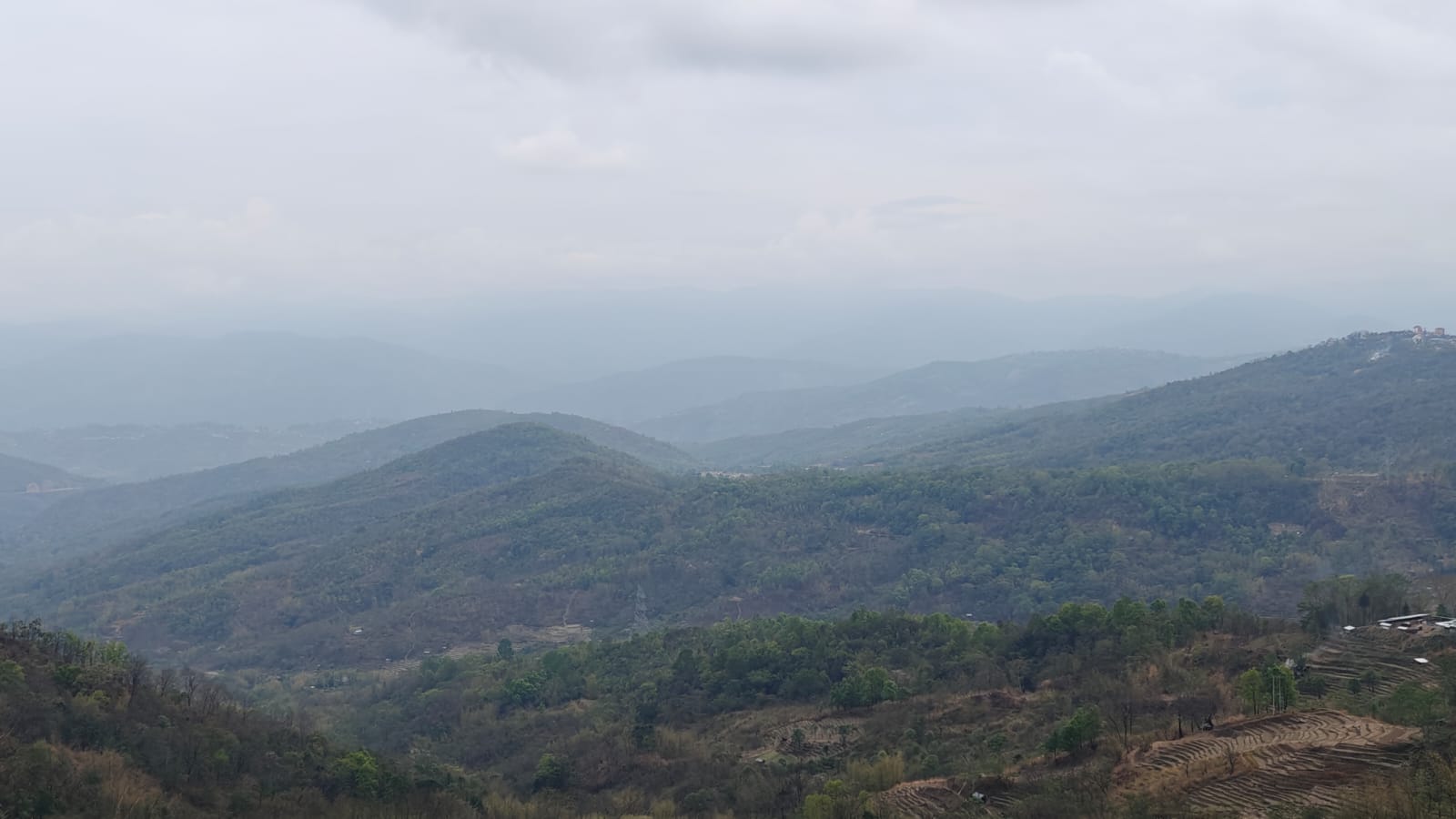
If you’re weary of Insta-itineraries and whirlwind checklists, perhaps it’s time to let Nagaland happen to you—slowly, deliberately, and with the grace of a place untouched by frenzy. This Northeastern gem invites not a race, but a pause. Here, you don’t “do” a holiday; you dwell in it.
Landing Lightly: Dimapur to Kohima
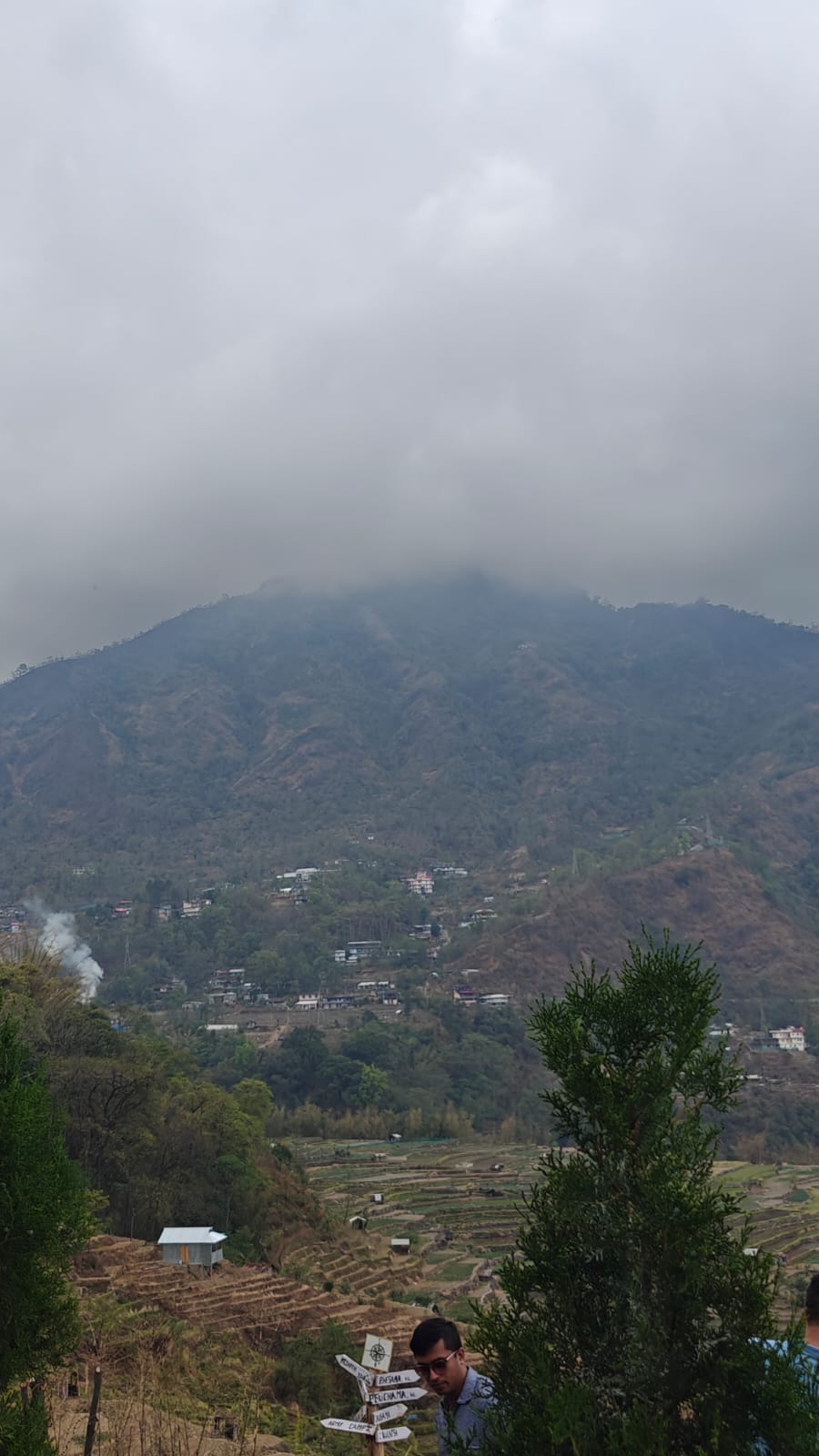
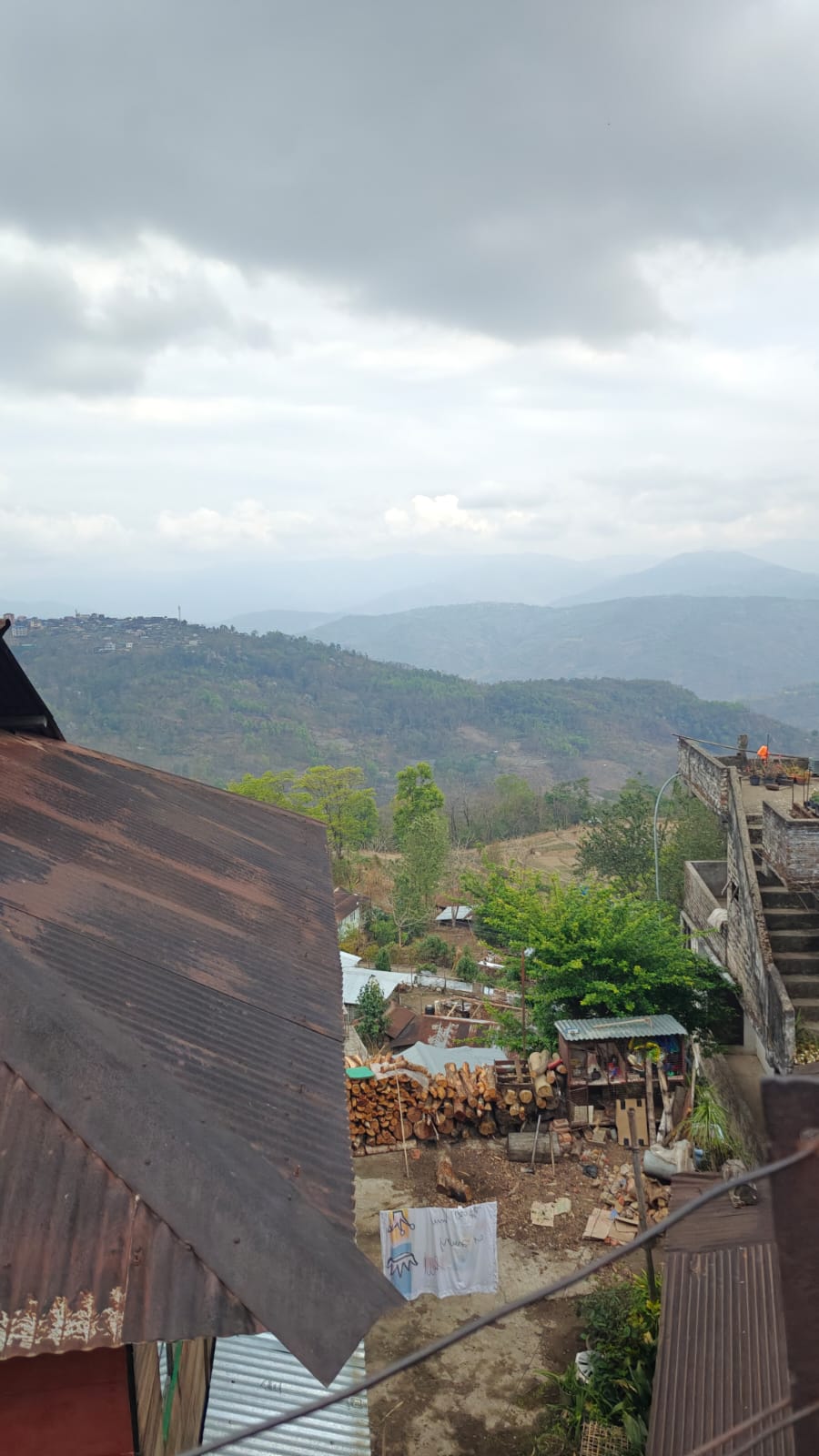
The gateway to Nagaland is surprisingly accessible—courtesy a direct flight from Delhi to Dimapur. No layovers, no fuss. From Dimapur, it’s a picturesque 90-minute drive to Kohima, the state’s capital, where the hills roll in like a lullaby and time decides to take the long road. For those who prefer to stay in Dimapur, you’re still in the heart of it all—with the added advantage of being just 20 minutes from Khatkhati in Assam, where the spirit flows a little more freely (more on that in a bit).
A Walk Through History
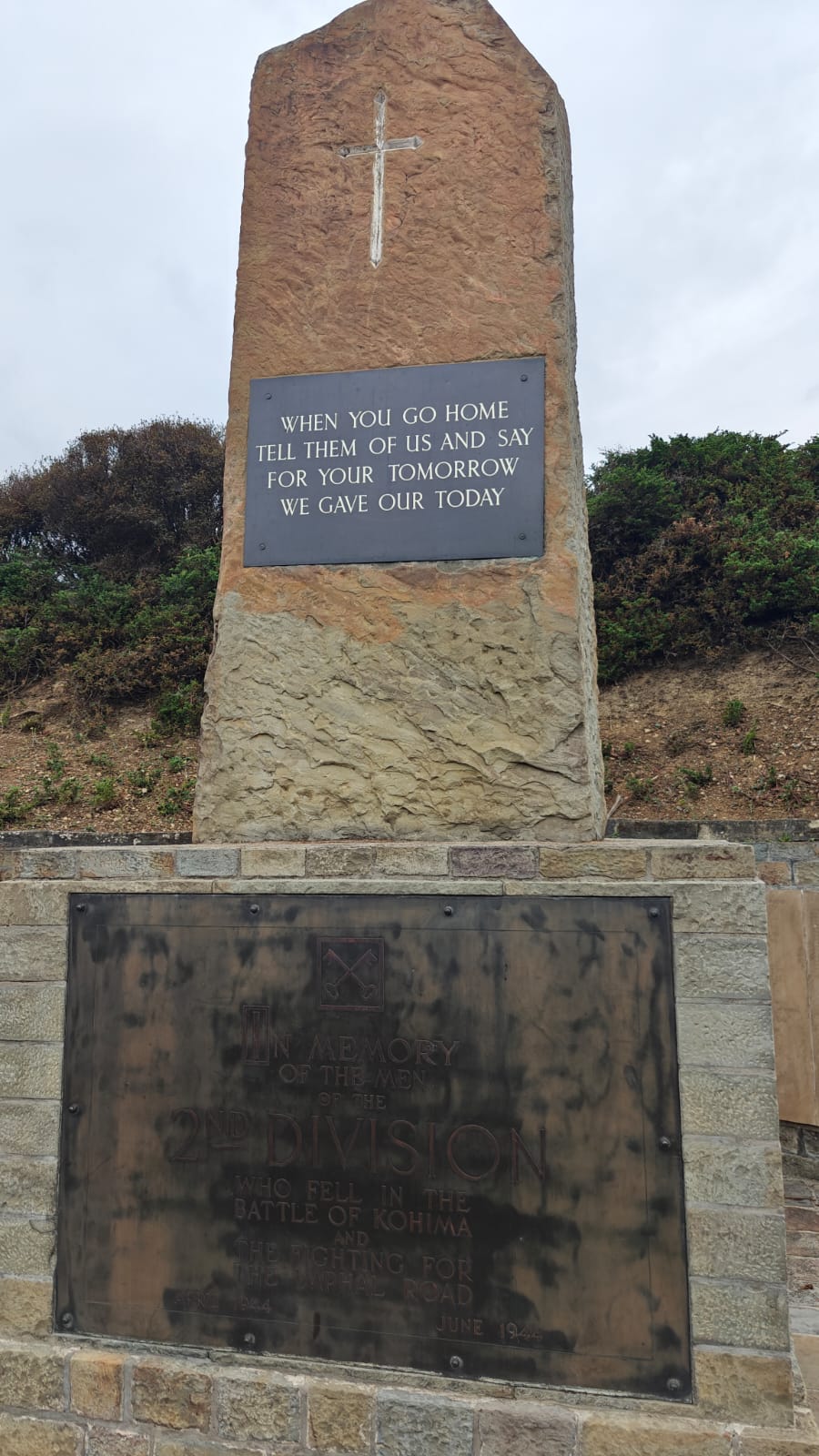
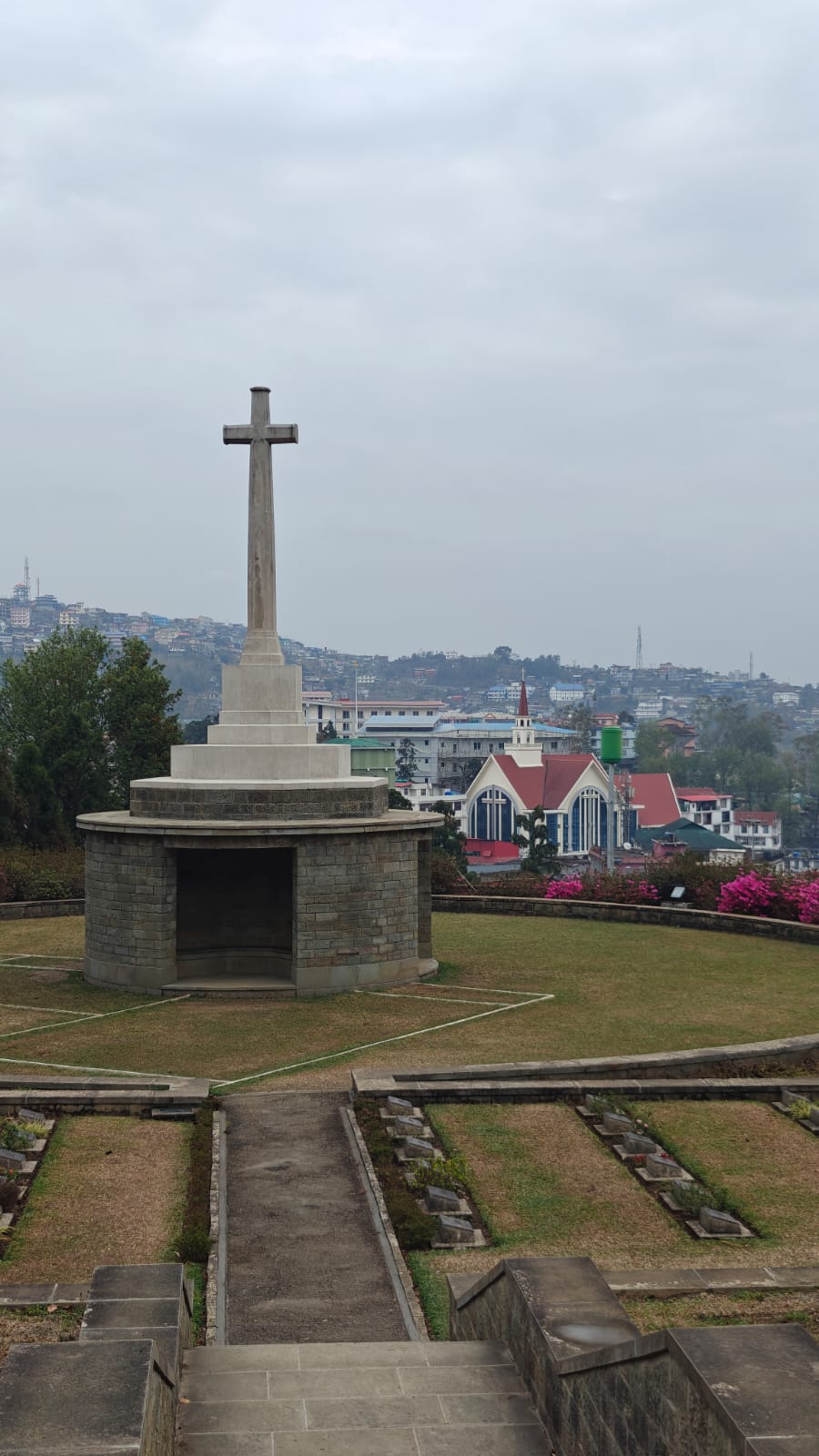
Kohima holds within it the whispers of the past. The Kohima War Cemetery, perched gracefully over green slopes, honours the brave who fought in one of World War II’s fiercest battles. It’s not just a site; it’s a silenced storyteller. The epitaph that reads “When you go home, tell them of us…” is reason enough to spend a moment longer in reflection.
Where Culture Lives On: Hornbill Village and the 16 Tribes of Nagaland
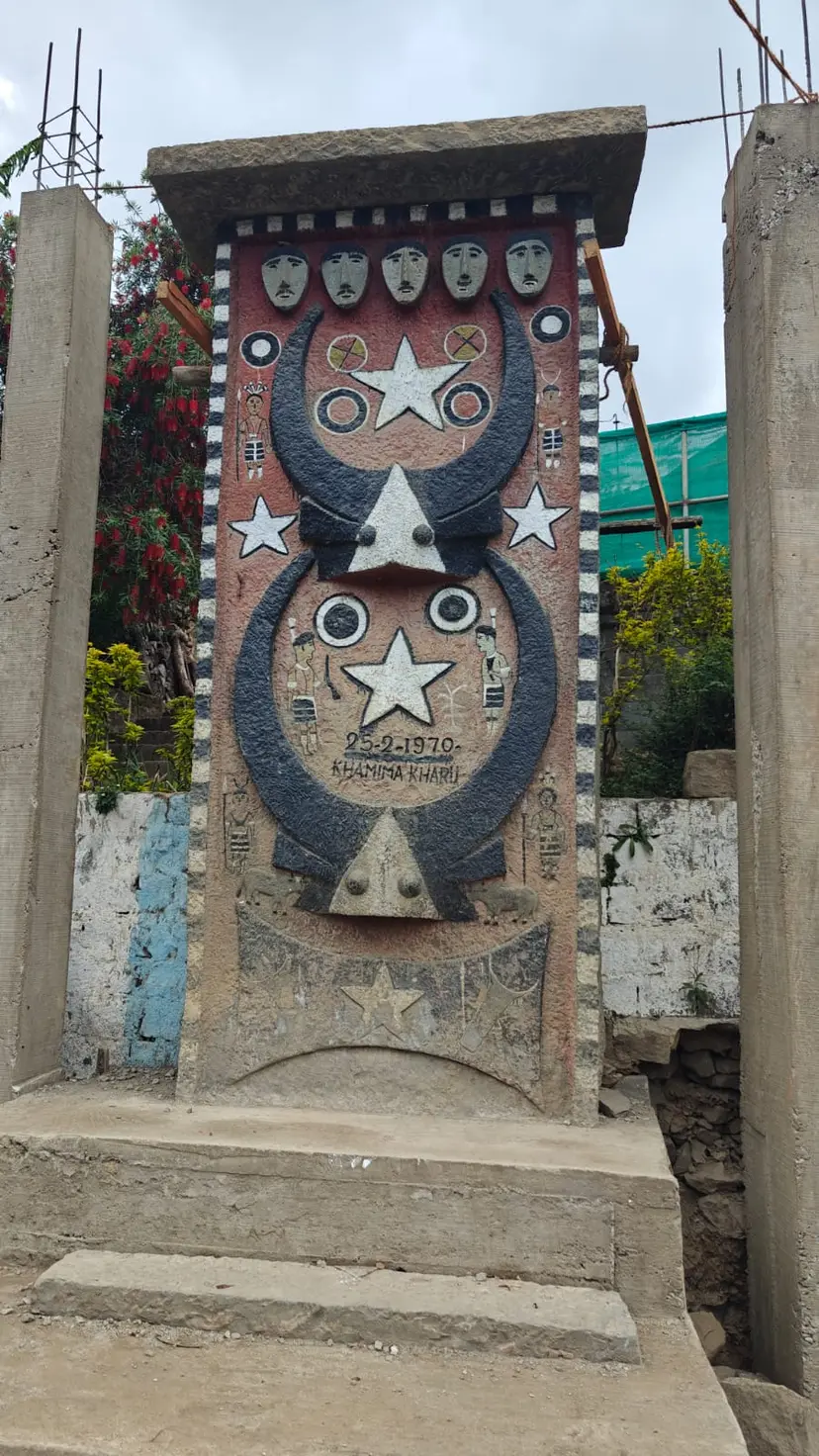
Nagaland is home to over a hundred tribes, each with its own dialect, traditions, and legacy. Among these, 16 are officially recognised as major tribes, and their presence is vividly brought to life in the Hornbill Village—a living museum where tradition stands tall.
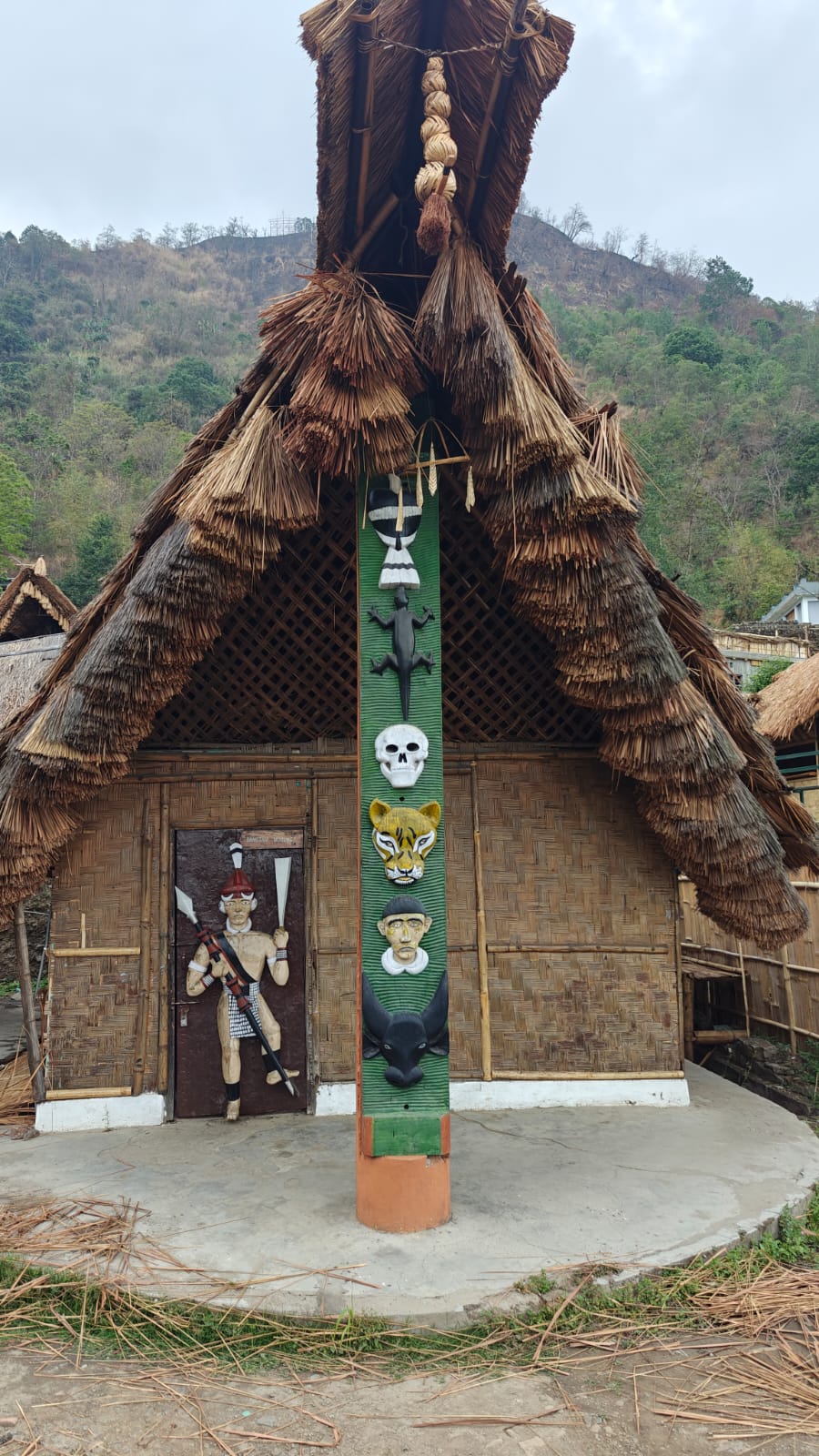
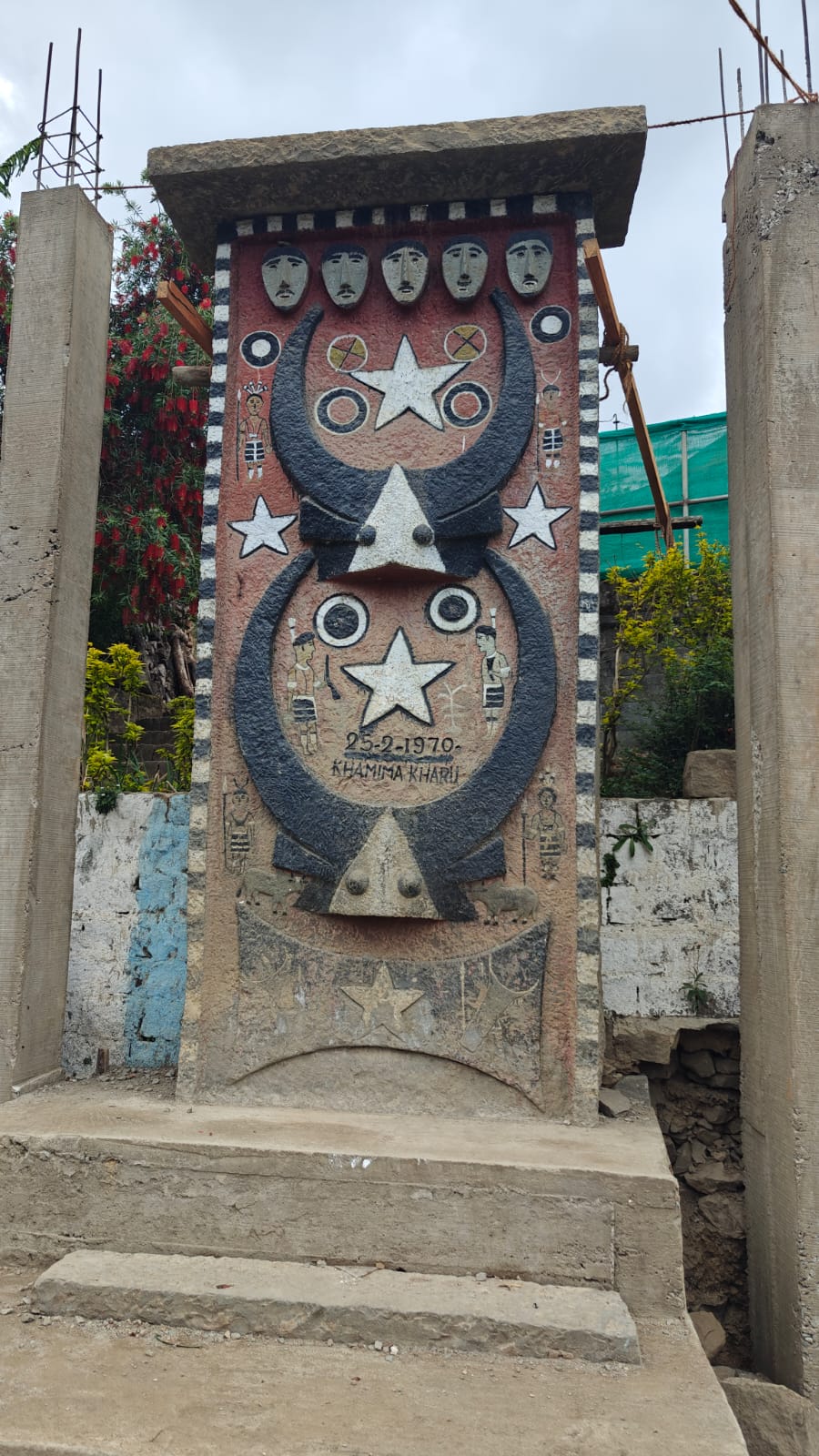
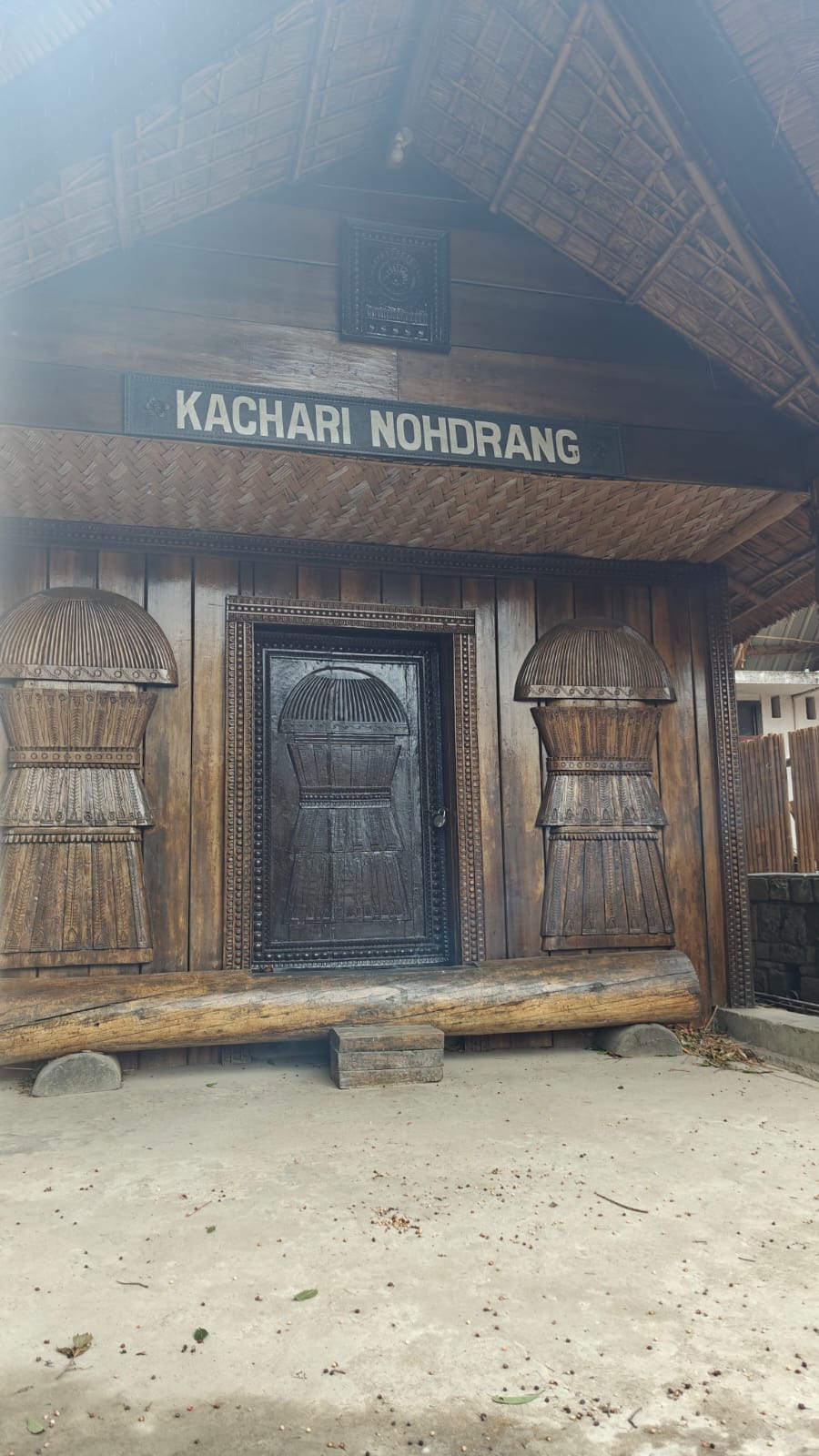
Here, tribal architecture tells you as much as the elders do. You can walk through authentically built morungs (dormitories), see traditional weaponry once used in headhunting days, and witness daily practices that have survived centuries. The Hornbill Festival in December showcases all this and more—dance, folklore, crafts, and cuisines that are as layered as the land.
Food for the Soul—and the Stomach
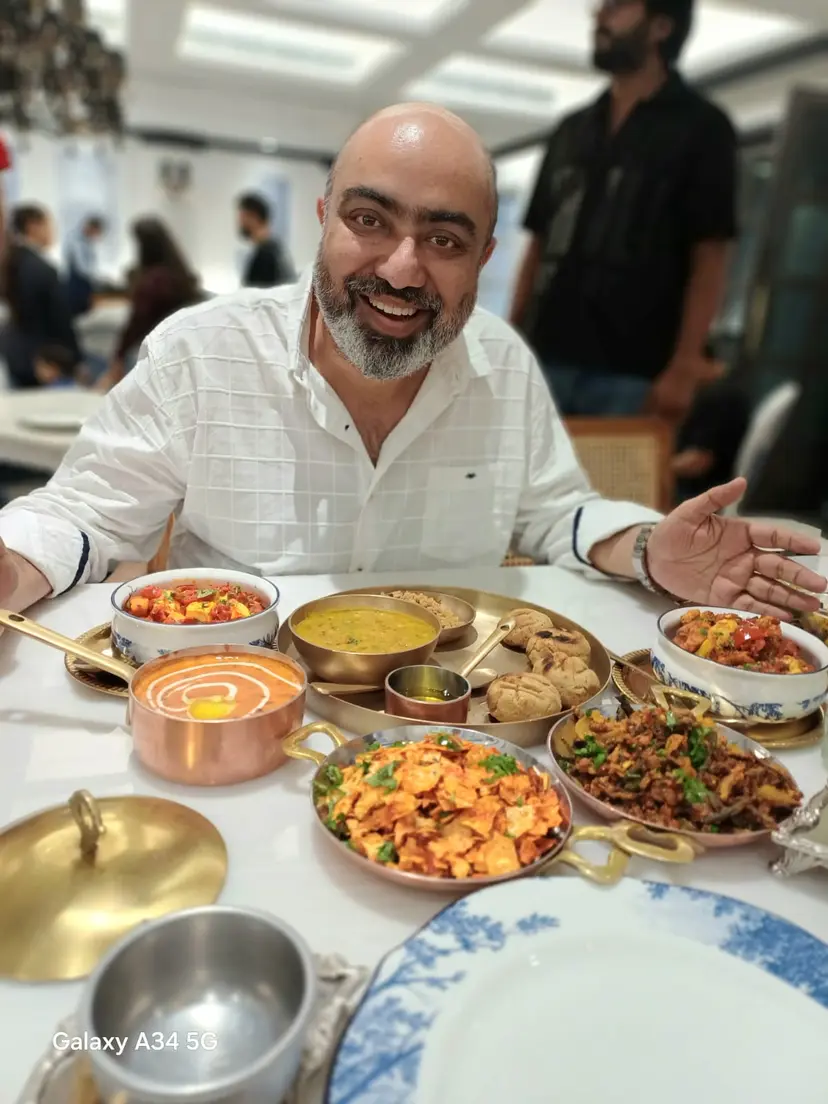
Now, here’s the delightful surprise: while Nagaland’s indigenous cuisine is a delight of lightly spiced, easy-to-digest dishes—think bamboo shoot pork, fresh river fish, sticky rice—there’s no dearth of North Indian comfort food either. Craving choley bhature, jalebi, or a good old paratha? You’ll find it in Kohima’s modest eateries and hotels, served with the warmth of familiarity and a view to match.
The Other Side of the Border: Khatkhati and Dark Knight Distillery
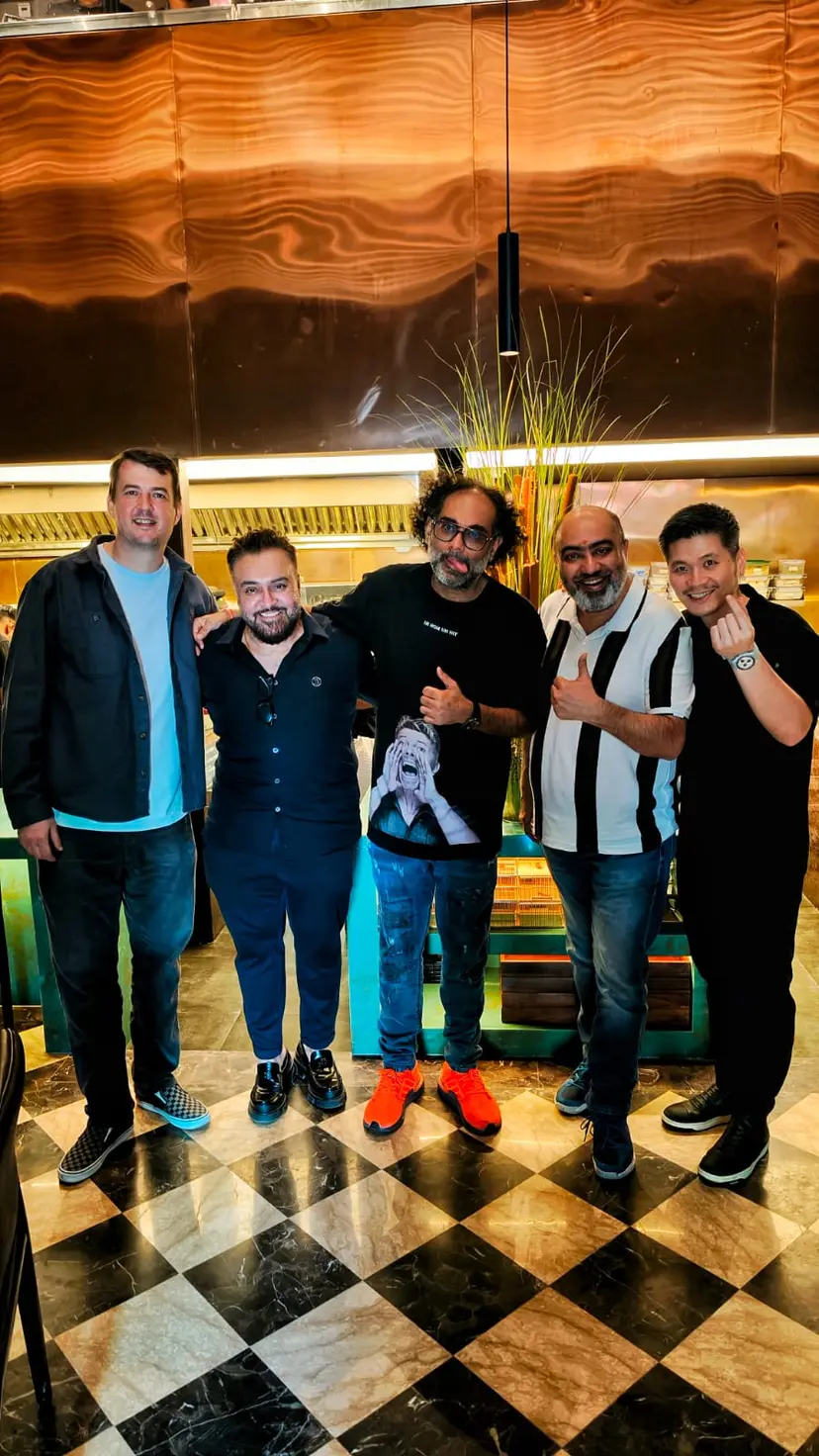
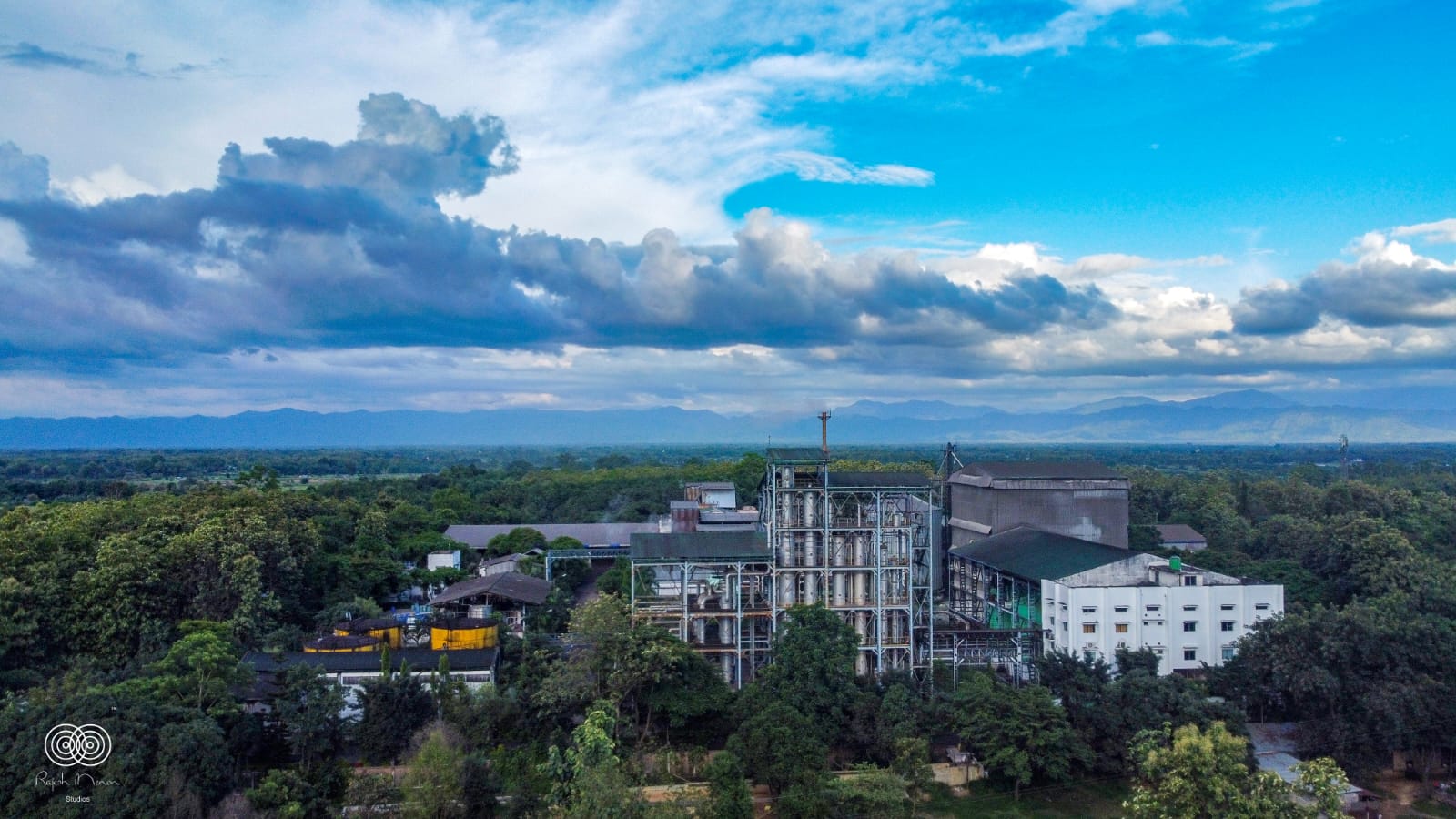
Nagaland may be officially dry, but that doesn’t mean you’re cut off from your evening pour. A short ride to Khatkhati, across the Assam border, brings you to a clutch of bars and the emerging jewel of the local spirits scene—Dark Knight Distillery.
Here, I had the pleasure of sampling their range, including Infamous, a premium small-batch whisky with a smooth finish and surprisingly nuanced profile, and bought Lost Treasure, a cold brew coffee rum for home as a souvenir.
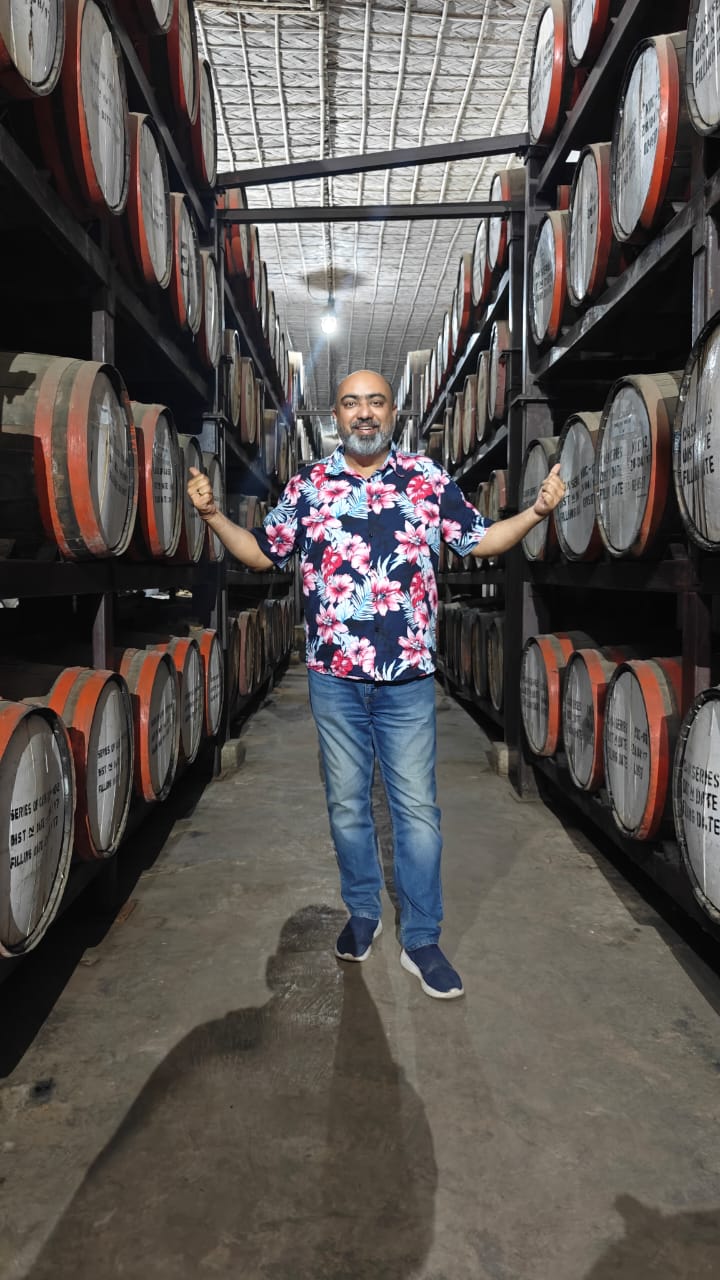
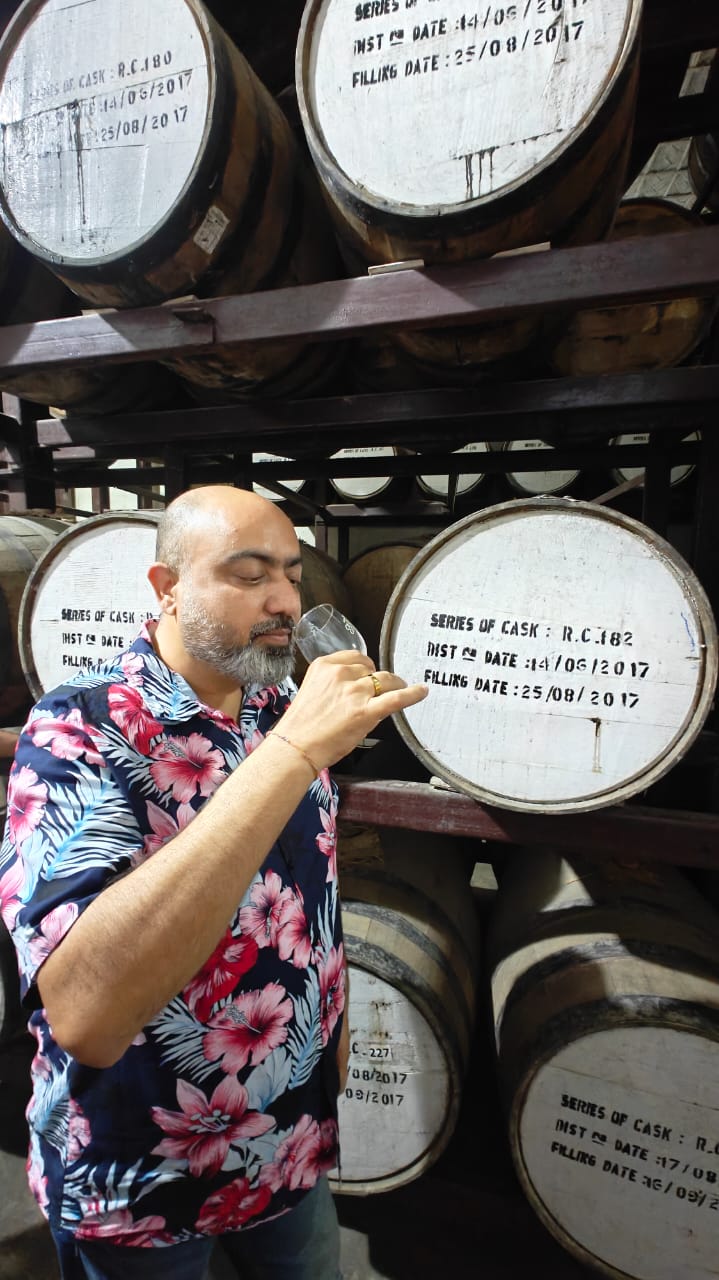
Vicky Chand, the affable founder of Dark Knight, told me over a dram, “The response to Infamous has been overwhelming. We’re still keeping it small-batch to retain quality, but expansion plans are definitely brewing.”
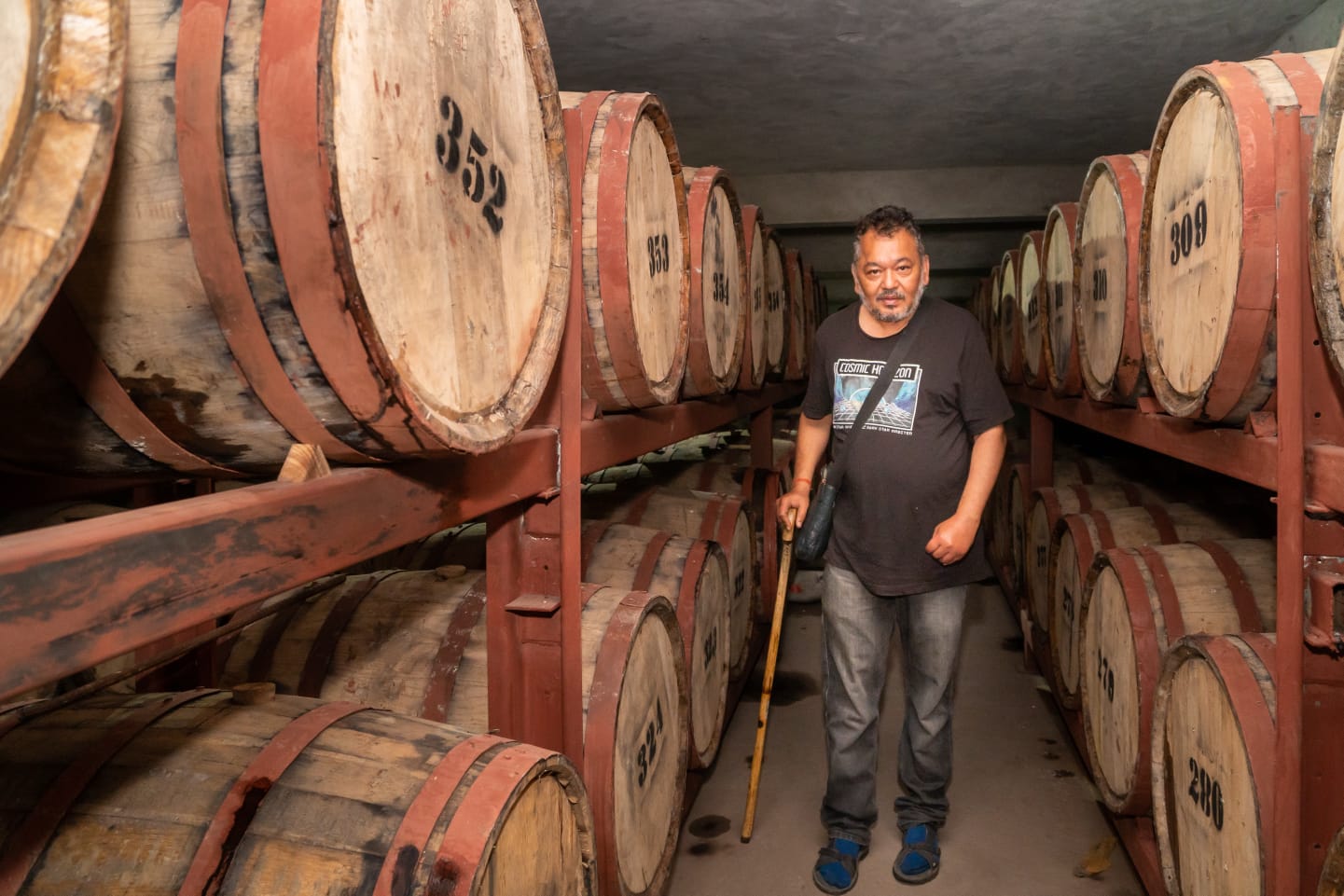
The distillery’s use of fresh, mineral-rich river water and the region’s pristine weather offer the perfect canvas for whisky aging. “We may be off the radar for now,” Chand adds, “but it won’t be long before Northeast whiskies hold their own in the Indian and even international markets.”
Souvenirs That Tell a Story
- Don’t leave without picking up a bottle of Infamous—its bold character and striking design make it a gift worthy of your shelf.
- Handwoven Naga shawls, each tribe with its distinct pattern, ideal as a wrap or a wall accent.
- Tribal jewelry made from beads, bones, and brass—rustic, sustainable, and deeply symbolic.
- Bamboo and cane artifacts, from baskets to lampshades, crafted by local artisans.
- Smoked pork or dried bamboo shoot, vacuum-packed and available at select markets in Kohima.
- Locally grown wild Naga chillies, both fresh and in pickled form, for those who like their food fiery.
Why Go Slow?
Because Nagaland isn’t about sightseeing—it’s about seeing, feeling, and connecting. It’s about learning to savour again—whether it’s a bite of Naga stew, a verse of war history, or a sip of whisky with stories steeped in rainwater and rebellion.
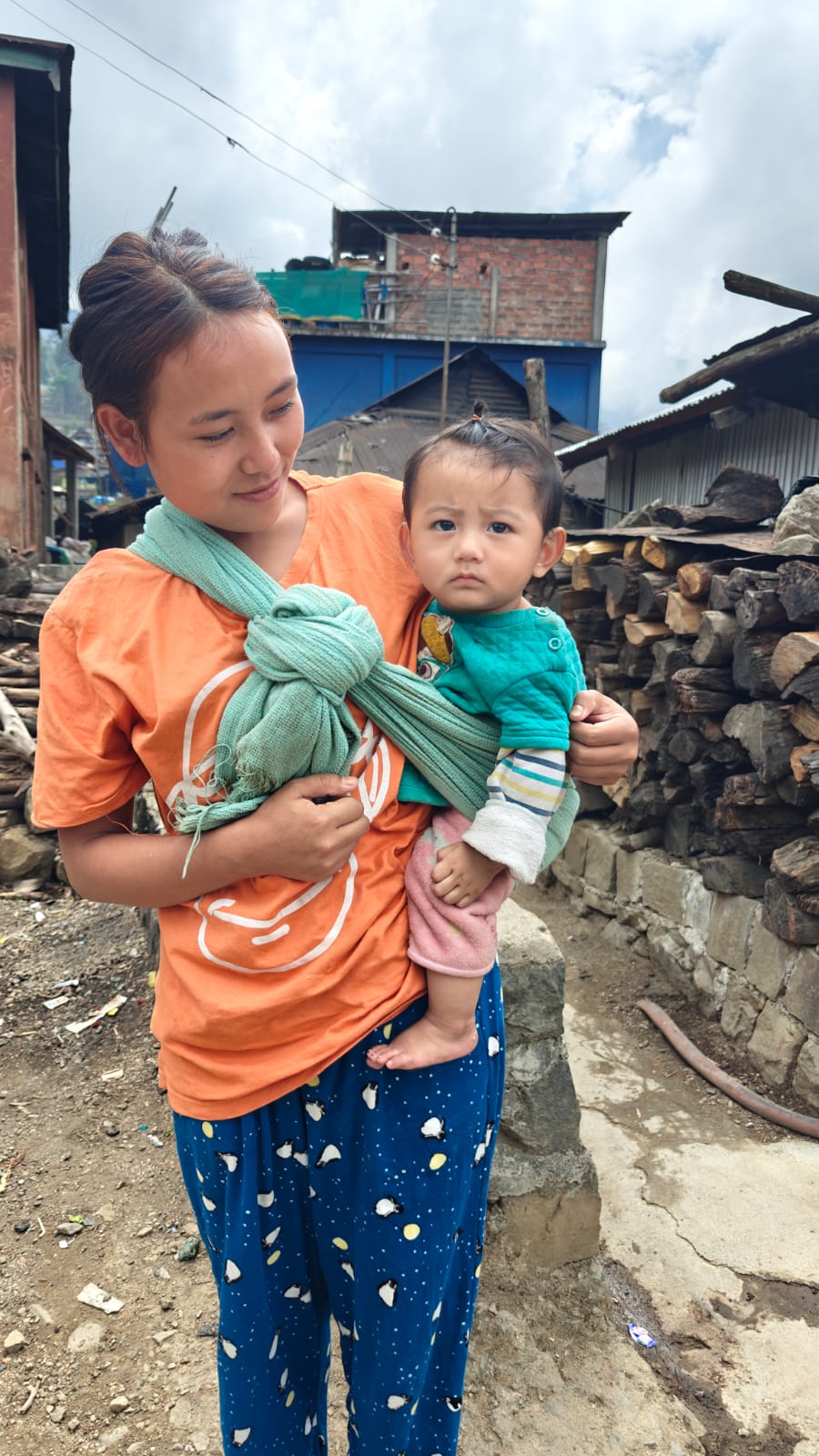
So, take that flight. Take your time. Let Nagaland linger.
Enjoyed this? Share it with friends.
Comments (0)
No comments yet. Be the first to comment!